
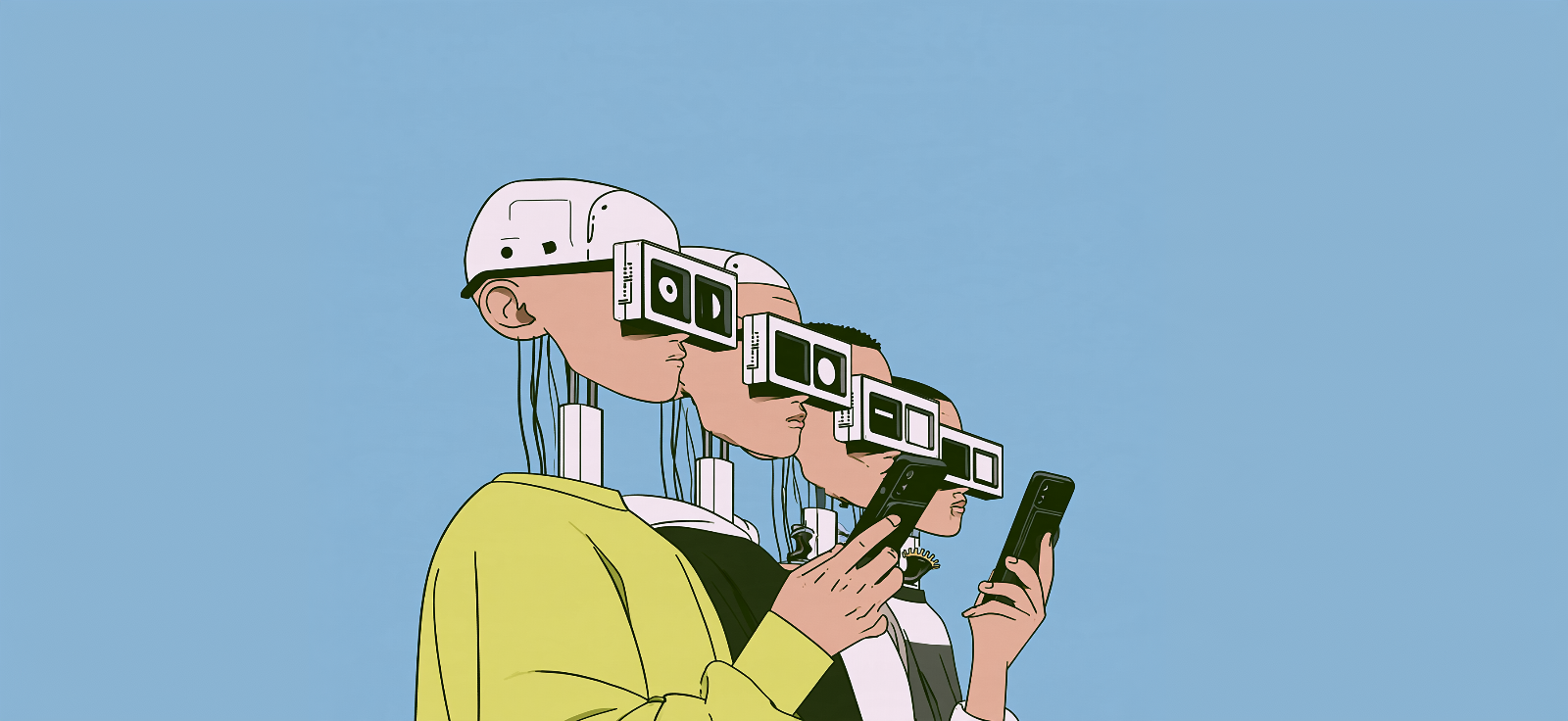

You write a one-line prompt and in 30 seconds you get a logo, a color palette and a slogan. You’re impressed. That’s normal, it’s what AI in branding looks like on the first date.
Then you say what you actually want: a sober brand for procurement directors, with a symbol that looks like nobody else’s and fits on a detergent pack. And things get complicated.
AI is impressive right up to the moment you know what you want. When you want something specific, speed stops being enough and you need a decision. The brief is that decision, a well-formulated idea.
This isn’t an article against AI. We use it, and we like it. It’s an article about who decides what comes out of it. You’ll see why the whole craft sits between “wow” and “that’s it”, what it costs to skip it, and where we use AI without handing it your brand.

“Blue or red pill?” Blue pill: you write a prompt and get 40 logos in 30 seconds. Red pill: you write your brief and find out what you actually want. Choose carefully, precision gets billed.
Why AI in branding impresses at first sight
The speed is real and nobody disputes it
AI gives you dozens of visual directions in one afternoon. For exploration, it’s a serious tool, and we treat it as one. The problem isn’t what it can do, it’s what happens after the first result.
Adoption has grown fast across companies. Still, the McKinsey global survey on AI shows that about 6% of organizations attribute significant profit impact to AI, and no more than 10% are scaling AI agents in any single function. Many use it, few win with it.
The first result demands no decision
The first prompt doesn’t force you to choose anything. You don’t define who you’re talking to, what you refuse to look like, or what a mistake would cost you. All of that stays blank.
AI fills the blanks with the most probable option. And the most probable option looks good and means nothing. A result with no decision behind it is decoration, not positioning.
The “wow” is the average, not the strategy
What impresses you is often the average of everything the model has seen. Polished, coherent, safe. The exact opposite of what a brand needs, which is to be recognized among all the others. If a thousand brands ask a model for the same thing, a thousand brands get almost the same answer.
A brand doesn’t win because it looks good. It wins because it shows clearly what it is and who it’s for. The impression fades after three seconds, the positioning stays.
What happens when you want something specific?
Specific is the exception to the average
You ask for “something modern, warm, premium but affordable, like the big players, but local”. That’s five demands fighting each other. AI doesn’t choose between them, it blends them.
The blend comes out correct and belongs to nobody. Specific means the opposite: you give something up to be genuinely something else. A model trained on the average gives up nothing.
40 logo variants and zero decisions
You generated 40 logos. Which one is right? If you can’t say why one is correct for your brand, you have 40 images, not a logo.
Choosing between 40 variants without criteria is done by taste. And taste changes from one meeting to the next, especially when three people are in the room.
A strategic logo design and visual identity process works the other way around: criteria first, form second. You define what the symbol must communicate, what it must not communicate, and where it will live. Only then do you draw.
Packaging: beautiful on screen, complicated in print
Packaging has structure, print, shelf and competition. A generated image looks good in a mockup, but it says nothing about how it sits on a shelf, how it reads from two meters away, or how it looks next to ten other products.
That’s where you see the difference between an image and a project. The image impresses you. The project sells.
What is a branding brief, really?
A brief is a decision, not a form
Many people treat the brief as a checklist to tick before the project. It isn’t. It’s the moment you decide who you are, for whom, what sets you apart and what you refuse to do.
We’ve also explained why every branding project starts with a brief: it aligns client and agency expectations and spares the project pointless revisions.
A well-formulated idea
A good brief fits on one page and reads like a position, not a wish. “Make it look modern” isn’t a brief. “A sober brand for procurement directors, free of category clichés” is starting to be one.
That precision connects directly to brand positioning. If you don’t know what you’re saying, no tool will say it for you. The quality of the answer doesn’t exceed the quality of the question, and AI in branding is no exception.
Why AI can’t decide for you?
An article in Harvard Business Review shows that AI can automate expensive creative tasks, but it can’t fulfill a brand’s promise on its own. Success depends on balancing automation with human control.
Research presented at IASDR 2025 adds the legal, cultural and quality risks that appear when human expertise is missing from the process. The decision stays with you, and the brief is where you make it.
AI in branding without a brief: the costs that don’t show up in the prompt
Generic results, at high speed
Without a brief, AI quickly produces things that look alike and look like your competitors. Speed multiplies the mistake too. Start from a vague direction and you get more imprecision, faster.
The cost doesn’t show up in the prompt. It shows up when your brand looks like everyone else’s and nobody understands why they should pick you.
A generic brand can be replaced by anyone. And what’s easy to replace gets negotiated on price.
Brand risks when nobody checks
A Harvard Business School case study compares brands that used AI to reinforce their values with brands that suffered when the outputs were wrong, offensive or out of tune with their identity. The tool didn’t make the difference.
Whoever set the rules before pressing the button did. The brief is that rule.
Rework, or the deferred bill
You can save a brief today and pay for three rounds of revisions tomorrow. We’ve described the AI in branding trap, where the client believes they no longer need specialists, precisely because the temptation is real.
The cost doesn’t disappear, it changes its due date. And it grows, because in the meantime you’ve published.
How we use AI in branding at BroHouse?
Where it helps: exploration, volume, variants
We use AI where it speeds up exploration: image variants, visual directions, production volume. We also offer AI image generation aligned with your brand, meaning images that respect an existing identity instead of replacing it. What comes out of exploration is raw material for a decision, not a finished product.
Costin and Horia Oane also talked about this on the TEDx Arad stage, where they presented AI as the unseen twin of creativity. That twin is useful. But it doesn’t sign the brief.

Brothers Oane, Costin, and Horia at TEDx Arad, in a conversation about creativity, ideas, and the way technology is changing how we work — because beyond the speed at which AI can generate, it is human perspective and direction that ultimately give the result meaning.
Where it doesn’t: positioning, selection, decision?
Positioning, choosing the direction and the verdict “that’s it” stay with people. Not out of romanticism, but because someone has to answer for the choice.
When an AI in branding project stalls, it usually stalls at the decision, not at execution. AI speeds up execution. A decision can’t be sped up with a prompt.
From “wow” to “that’s it”: an example from our projects
At Spumos, for the liquid detergent line, the general manager appreciated that the team understood exactly what he had imagined and turned it into a coherent visual identity and communication strategy.
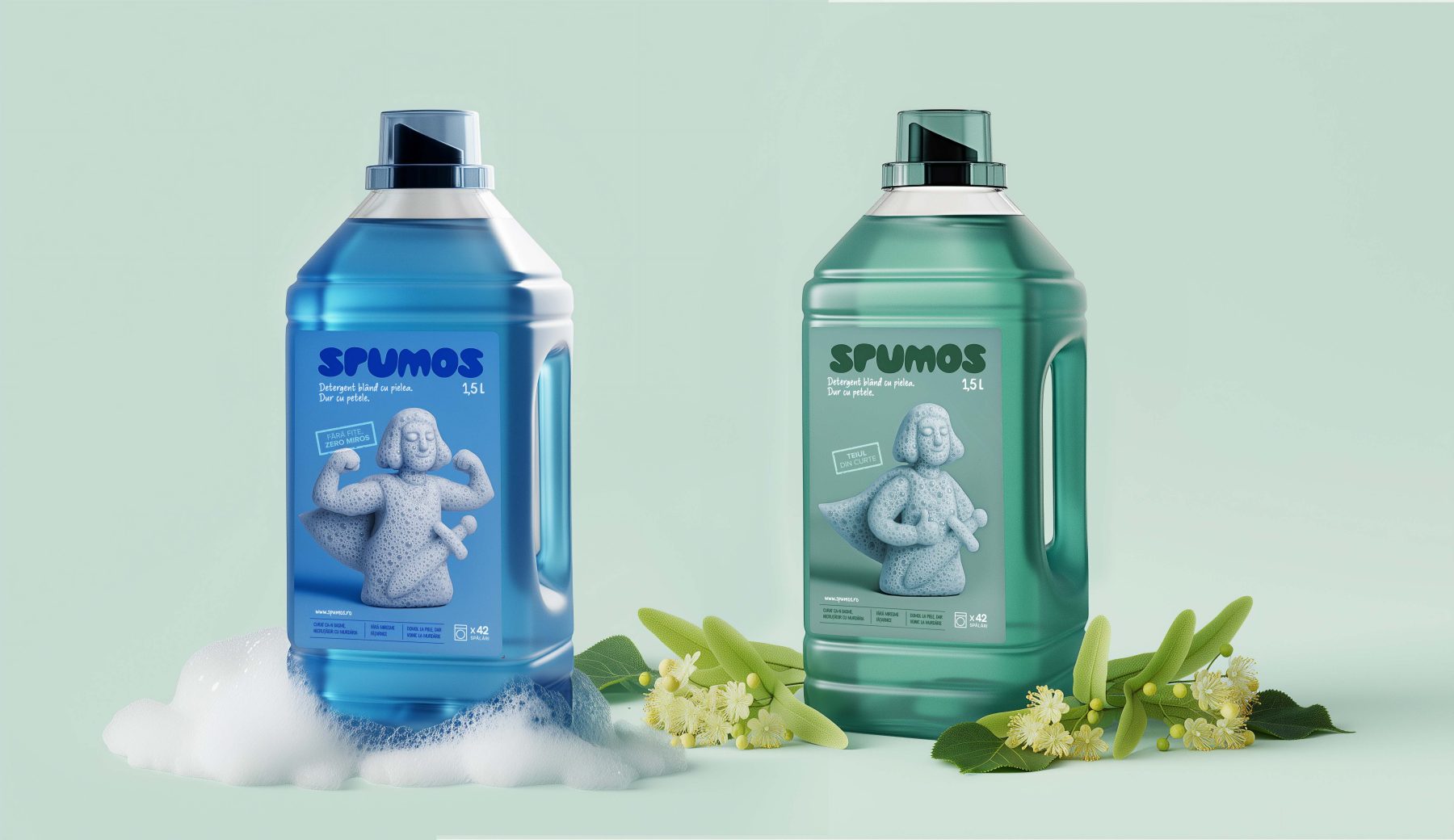
Spumos packaging design, built around strategy, positioning, and visual differentiation — because AI can generate solutions in seconds, but a brand still needs to know what to choose, why it matters, and how it works in the real world.
That’s the difference between “wow” and “that’s it”: a clear vision, understood exactly and translated without loss. It’s built from a precise brief and a collaboration where the team works with the client, not in their place.
Why does precision get billed?
What you buy when you pay for a good brief?
You pay for the decisions you don’t have to make three times. You pay for what you can’t see: the eliminated variants, the wrong directions, the criteria that remained.
That’s the difference between buying images and buying branding services. Images multiply cheaply. Judgment gets built.
A precise brief also shortens the road: fewer rounds, less debate about taste, more about results. Branding isn’t measured in “I like it”, but in what the brand does for the business.
“That’s it” means a decision plus a system
A real “that’s it” comes with rules for application. At Web Coffee, the client valued the brand book for its clear structure and precise rules that keep the visual identity coherent, easy to apply over time.
Precision shows in what happens after delivery, not in the first image.
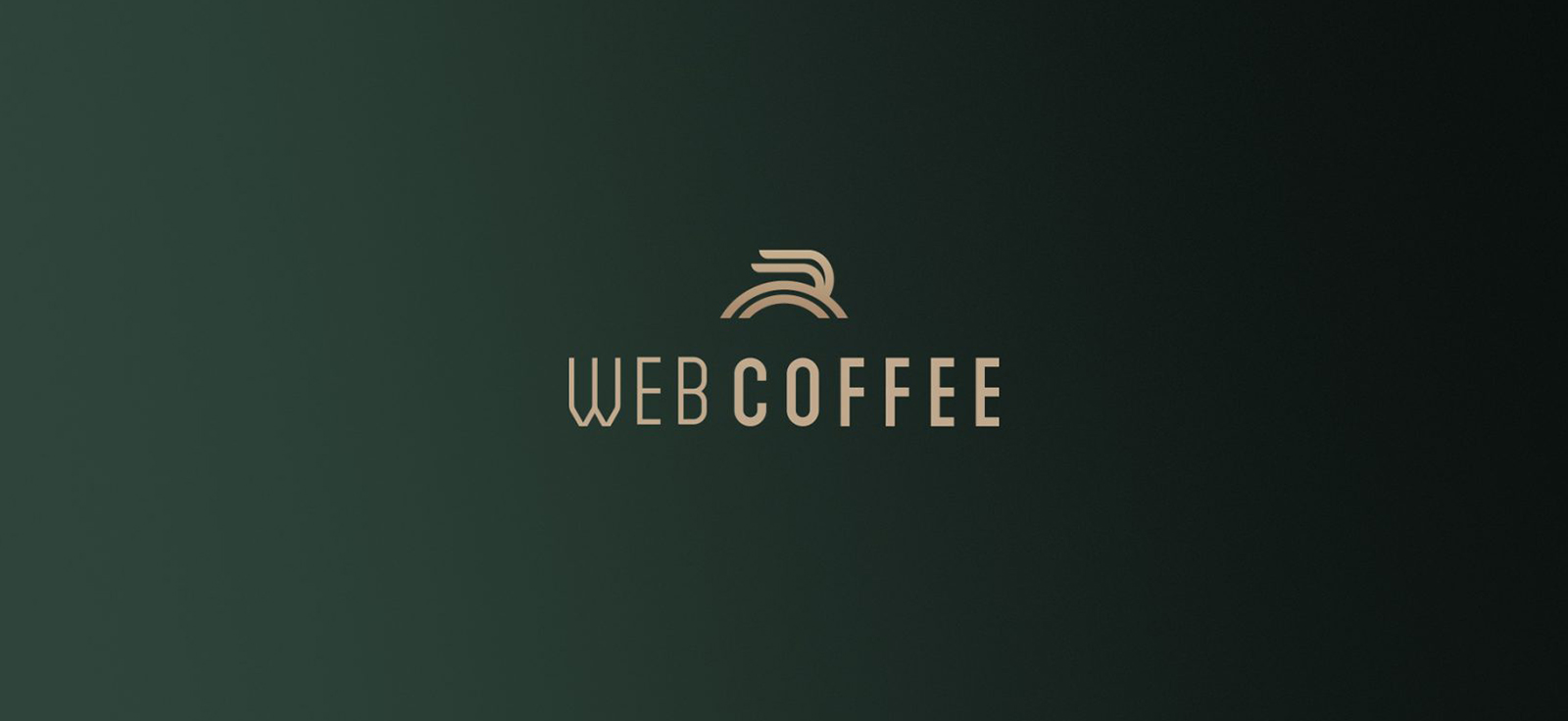
Web Coffee’s visual identity, developed from a core idea into a complete brand system — an example of how strategy, context, and creative decisions give a brand direction, regardless of how quickly different options can be generated.
How to write your brief before the first prompt?
Before you write the first prompt, answer three questions in writing. Who are you addressing? What do you promise? What do you refuse to do?
If you have a one-sentence answer to each, you have the start of a brief. If you don’t, you don’t need another tool. You need a decision. Only after that is AI of any use to you, not before.
Conclusion
AI impresses in general and stumbles on the specific. The brief is the decision that takes it from “wow” to “that’s it”. And that part gets paid for, because it’s the only part that doesn’t multiply cheaply.
If you take one thing from this article, take this: don’t ask what AI can do for your brand. Ask what you’ve decided about your brand, before you put it to work.
The same idea has underpinned the work of BroHouse for over 15 years, whatever the tools. If you have a brief, even an unfinished one, send it to us. We’ll tell you what’s missing before it costs you.
P.S. Precision gets billed.